
 Schedule Your Visit
 Donate Now
 Tuition/Programs Payment
Schechter Shavua: March 27, 2026
From Mortar to Meaning: Learning the Story of Passover
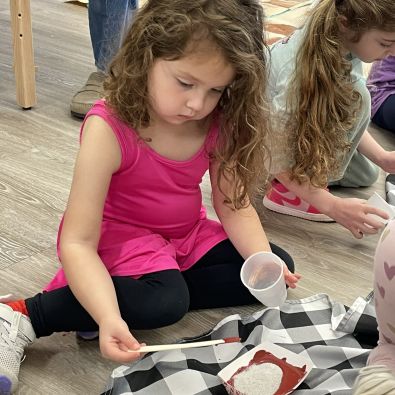 During their Passover exploration, students in Shorashim Alef (EC3-4) created their own “mortar” using glue, sand, and paint, carefully mixing the materials together. They applied this special mixture while building with blocks, symbolizing how the slaves in ancient Egypt built the pyramids. This “concrete” example helped them make a meaningful connection to the charoset on the Seder plate!
This hands-on experience strengthened important Early Childhood skills such as building, problem-solving, creativity, and fine motor development. Their focus, cooperation, and excitement grew as they explored history and tradition together!
Click HERE to see photos of Shorashim Passover learning!
Students Set Sail with Baby Moses
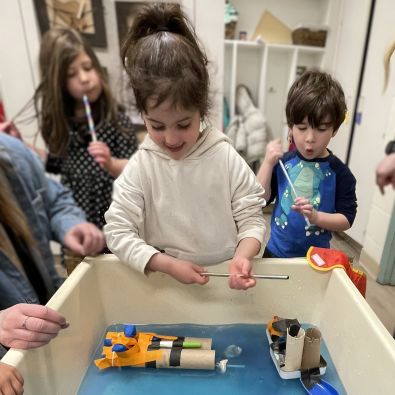 Shorashim Bet students (EC3–4)brought the Passover story to life with a hands-on challenge inspired by baby Moses’ journey. After learning how Moses floated along the river, students became young engineers—designing their own baskets, boats, and rafts using a variety of materials.
They brainstormed solutions, tested their creations, and eagerly watched to see which designs would float. Some were successful right away, while others sparked thoughtful redesigns and creative problem-solving.
This joyful blend of Judaic learning, exploration, and science is what makes a Schechter education so special!
Click HERE to see photos of Shorashim Passover learning!
Passover Through a Kindergarten Lens
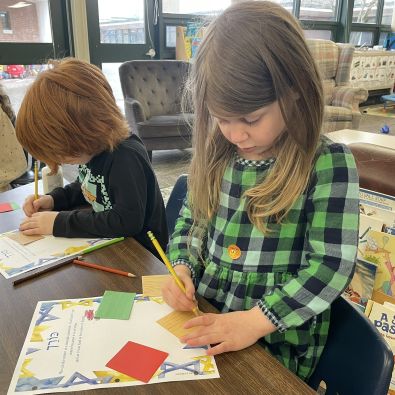 Schechter Kindergartenstudents are creating a 25-page Haggadah that will be both a meaningful part of this year’s Seder and a keepsake for years to come. As the Ilanot class explores each step of the Seder, they bring their learning to life by designing their own pages using a variety of artistic materials.
Their hands-on journey even includes tasting traditional foods—sampling maror, charoset, and more! A clear favorite has been learning the story and the Ten Plagues, enthusiastically renamed by the class as “the Ten Consequences.”
At Schechter, learning goes beyond the basics. Students make meaningful connections, linking their Passover discoveries to Torah learning and even the Havdalah service, deepening their understanding every step of the way.
Click HERE to see more photos of Haggadah-making!
Parashat Tzav/Almost Passover: Everyone Plays a Part
 Parashat Tzav carefully details the many offerings brought by the Israelites—burnt offerings, sin offerings, guilt offerings, and sacrifices of well-being. Each one had a distinct purpose, reminding us that there was no single way to serve or contribute. In the Torah, roles were also clearly defined: the Kohanim performed sacred rituals, the Levites supported the Temple service, and the Israelite community participated and sustained the system. Even Moses held a unique role as the officiant; he performed the sacrifices that consecrated Aaron and his sons, anointing them and initiating them into their priestly duties. Together, these different roles created a complete and functioning whole.
This idea of varied roles working in harmony comes alive again during Passover. Each Seder may have a leader, but that person guides the ritual that is built on the contributions from many. Some prepare the food, carefully following traditions and favorite recipes passed down through generations. Others travel long distances just to be present, showing that participation itself is meaningful. Around the table, each person has a role: the youngest asks the Four Questions, voices join together in song, and we reflect on the four children—each representing a different perspective and way of engaging with the seder.
This same model exists within our Schechter community. Just like in Parashat Tzav and at the Seder table, collaboration and the contributions from others are essential. Each member of the Administrative team plays a vital role in keeping Schechter running smoothly. Similarly, teachers, students, and parents each play essential roles. Board members, grandparents, community agencies, and clergy members each have a seat at the Schechter table. Some lead, some support, some ask questions, and some challenge us to think differently. Every contribution matters!
A strong community depends on recognizing and valuing a variety of roles. Whether in ancient rituals, around the Seder table, or in the Schechter hallways, we succeed when we work together—each person bringing their unique strengths to something greater than themselves.
Chag Kasher V'Sameach,
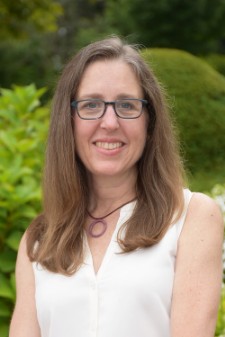
Audrey Sobel
Director of Communications and Alumni Parent (2013, 2016, 2020)


CONNECT & FOLLOW US



© Solomon Schechter Day School of Greater Hartford | Site design Knowles Kreative